
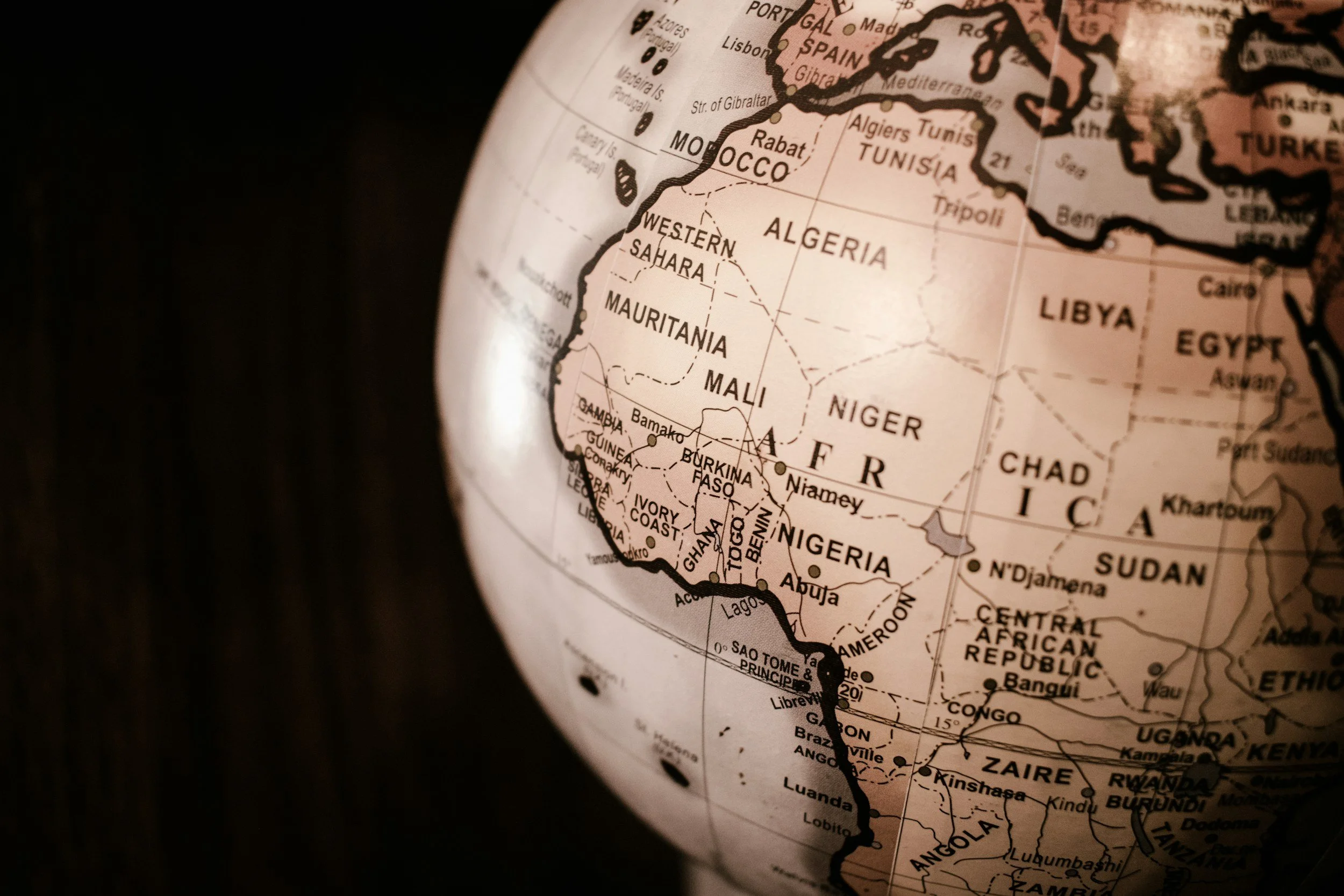
Africa & Blackness
A learning hub for Africa, world blackness, memory, and power

It stands across the African savanna at sunset, symbolizing endurance, memory, rootedness, and life shaped by land, climate, and time.
Africa is often taught too late: after slavery, after colonization, after crisis, after somebody else enters the story with a flag, a ledger, a Bible, a gun, or a development plan. That order is not neutral. It trains people to see Africa as background instead of structure. It turns African civilizations into scenery for European movement, African people into labor before they are recognized as builders, and African governance into disorder before it is studied as design.
The deeper correction is not simply to add Africa back into the story. The correction is to begin with Africa as a system: land, water, gold, agriculture, trade, memory, law, ritual, authority, knowledge, and responsibility already in motion before rupture arrived.
This Week’s Sneak Peek Video
Black is not a literal color. It is a history shaped by power, survival, memory, and responsibility. This video explains how a label once imposed for control became a living archive of beauty, resistance, family, culture, and ancestral duty. Blackness is both wound and banner, and still carries truth forward.
Visit https://www.youtube.com/@FreedomSchoolAcademy for more videos.
Africa Health Sovereignty Faces a Test
Date Line: 6.24.26 — Ebola is no longer only a Congo outbreak. France has confirmed a case in a doctor returning from the DRC, while the outbreak has passed 1,000 cases and more than 260 deaths. The deeper issue is who controls health protection when African crisis becomes global risk.
Africa CDC, WHO, national ministries, courts, and foreign governments are now inside the same room. The test is not only medicine. It is funding, trust, local consent, vaccine capacity, and whether African health systems are strengthened or used as rented protection for everyone else.
The Acacia Tree
Learning Pathways
-
![]()
Africa Before Rupture
HISTORY
Kingdoms, governance, land, water, gold, agriculture, trade routes, knowledge systems, and social order.
-
![]()
Africa and the Modern World
CURRENT ISSUES
Gold, trade, labor, capitalism, slavery, colonialism, extraction, law, and narrative control.
-
![]()
Resistance as Governance
ACTIVIST
Maroon communities, Haiti, Pan-Africanism, Black institutions, churches, schools, culture, and freedom movements.
-
![]()
Africa News
NEWS
Debt, minerals, food systems, climate pressure, youth, migration, corridors, technology, and Agenda 2063. -
![]()
The Diaspora
PEOPLE
Black America, the Caribbean, Black Europe, Afro-Latin America, African migration, and global Black institutions.

The Site Audience
-
For Students
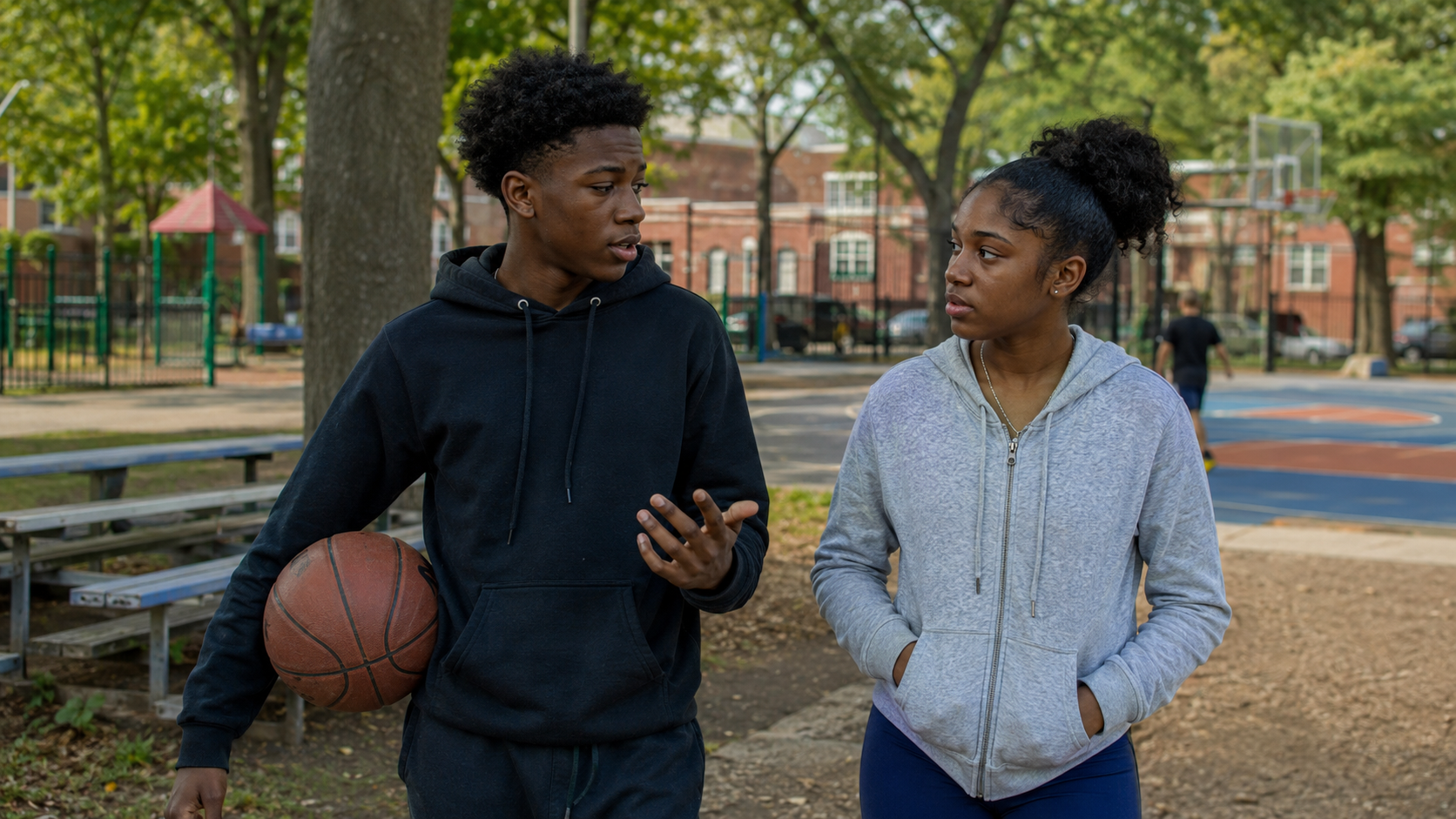
Learn Africa as civilization, memory, power, creativity, resistance, and future. Not just dates. Not just tragedy. Structure.
-

For Parents
Use this page for family conversation, reading support, civic awareness, and helping young people understand where they come from and what they are responsible for building.
-

For Teachers
Find study notes, discussion questions, explainers, and lesson ideas that connect Africa, the Diaspora, civic life, history, economics, and public memory.
Book Study
Born in Blackness
Study notes on Africa’s central role in gold, Atlantic trade, plantation systems, capitalism, resistance, and narrative suppression.
Notes on Africa, Atlantic slavery, plantation capitalism, racial control, resistance, memory, and the hidden architecture of the modern world. This is my first session of attendance. I am in the process of adding all of my session notes.
Modern Africa
Africa 2063
A study area on the African Union’s long-range vision, institutional capacity, regional integration, resource value chains, youth power, and continental execution.
Book Study
The Second Emancipation
Notes on Kwame Nkrumah, Ghana, Pan-Africanism, Black America, independence, governance, and the unfinished repair of the Africa-diaspora connection. Since this study is ongoing, I will start from the last session and work backward
Family Learning
Community Engagement Guides
Short guides designed for the community and organizations that want to turn history into conversation, responsibility, and action.
Our Method
We help readers ask better questions:
What happened?
What system made it possible?
Who carries the institution?
Who benefits?
Who is burdened?
What repeats?
What responsibility follows?
“Intelligence plus character — that is the goal of true education.”