
The Million$ Legacy Club
Building money wisdom, one story at a time
Start early, stay consistent, and let compound interest do the heavy lifting. If you follow basic saving and investing principles, you can become a millionaire by the time you reach retirement age. This page gives you one simple place to learn, practice, and share your money story each month.

🟢 NEW! February 2026 — “Saving as Strategy”
Surplus creates stability. Discipline protects it.
🟢 October 2025 - Where Money Comes From (Lesson Plan)
🟢January 2026 - Budgeting (Lesson Plan)
🟢February 2026 - Saving is Freedom (Lesson Plan)
🟢March 2026 - Saving is Freedom (Lesson Plan)
March 2026 Forward— Wealth Building
In February, students learned that saving builds stability and protects against disruption; in March, the focus shifts to power, where students learn that saving stores power while investing deploys it. Using examples from Nigeria, South Africa, and Rwanda, they see that resources alone do not create wealth—control does—and through the work of Robert F. Smith and Aliko Dangote, they are introduced to two critical forms of power: controlling capital and owning systems.
The core lesson becomes clear: wealth is not about what exists, but who controls it, and without understanding systems, individuals risk being positioned within them rather than benefiting from them, marking the transition from saving money to understanding systems.
Each month, families complete a simple challenge together. Talking about money makes wisdom grow. Use these prompts to start a short conversation at the dinner table or on the drive home.
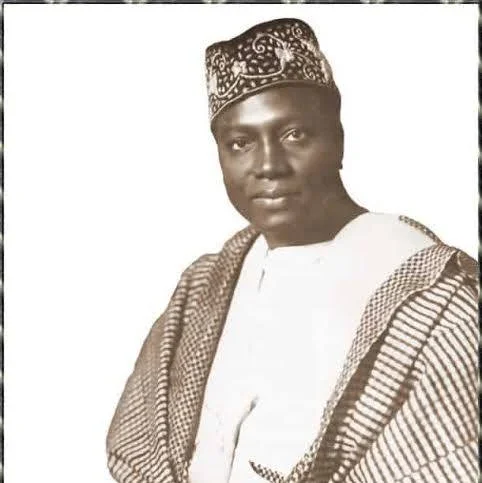
Modibo Keïta (First President of Mali)
“Political independence must be accompanied by economic independence.”
Keïta led Mali to independence from France in 1960 and pursued state control over key industries in an effort to free the country from colonial economic dependence. His leadership reflects the difficult balance between sovereignty, economic control, and institutional stability in newly independent nations.
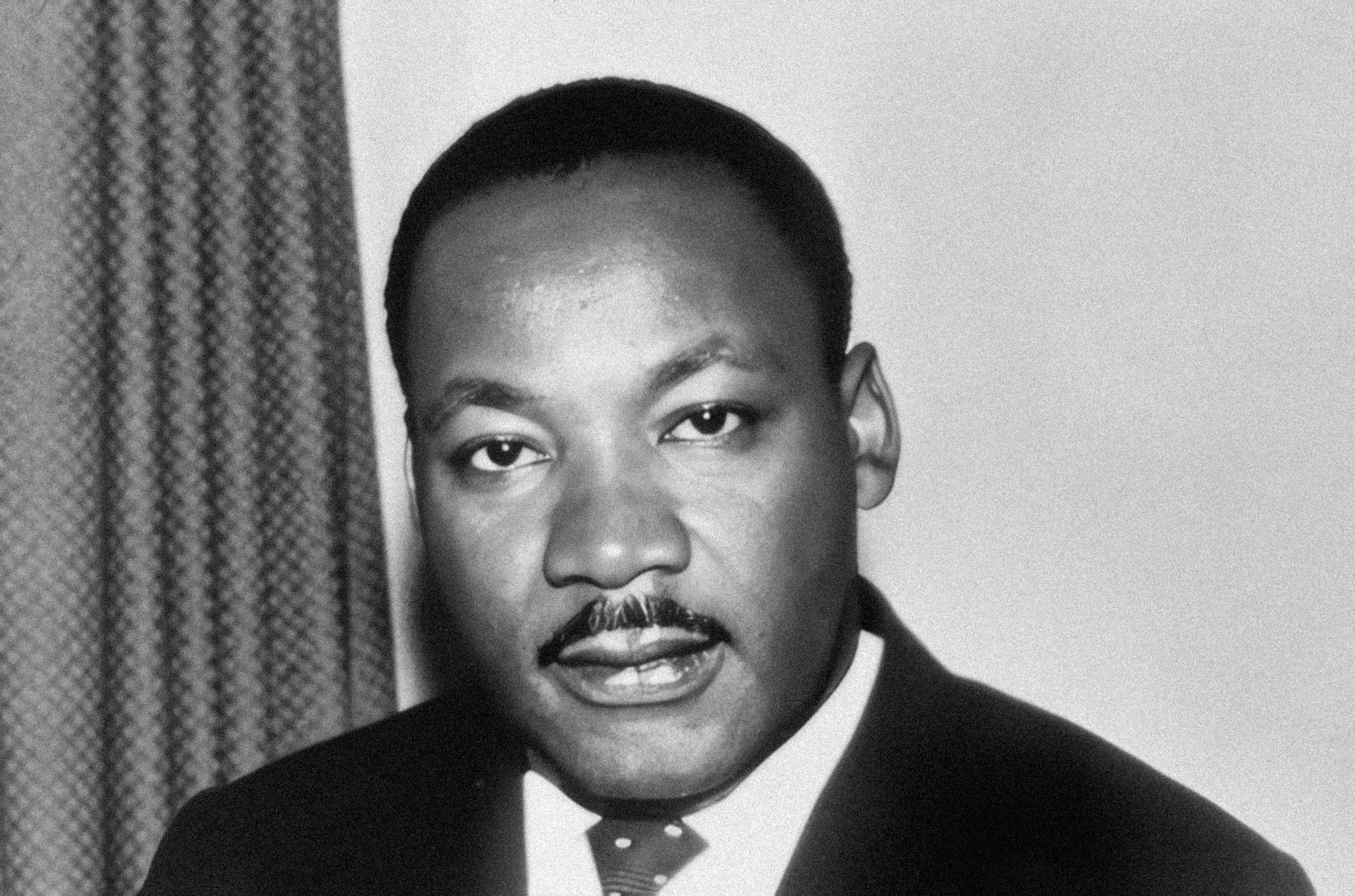
Dr. King emphasized that economic systems must serve people first. Wealth and profit should never be valued above human dignity.
Lesson Summary – March 2026: “From Saving to Systems — Power Through Ownership”
This month, students moved from stability to power, learning that saving stores power while investing deploys it. Using examples from Nigeria, South Africa, and Rwanda, along with Robert F. Smith and Aliko Dangote, they saw that wealth is not about resources—it is about who controls systems and benefits from them.
Next Up: Wealth Building Track — Ownership and Investment
Students will begin building and operating a group business while developing their own ideas and learning to invest through real and simulated experiences in stocks and bonds. This will continue for the remainder of the year. Stay tuned to this page for 20206.