Teaching the Structure Behind the Headlines
Politics, Justice & Africa
Why this space exists
We Don’t Teach “both sides” of injustice
We teach how the structure works, who built it, who it serves, and how it can change. Racism isn’t an
opinion: it’s a system of rules, habits, and stories that keep outcomes unequal.
In this lab, we:
Help people learn to read the world like an architect, not just a voter.
Tie every lesson back to real decisions: school zoning, student loans, health care, housing, and more.
Study patterns instead of arguing about personalities.
Build knowledge step by step, anchored in Black history, data, and multiracial struggle.
The goal is not to make anyone cynical. The goal is to help people see clearly so any hope they hold is informed, not naïve.

Essays
Short, plain-spoken pieces on politics, race, power, money, and how America actually works.
Every election in America turns on the stories we tell about race and power. The Myth That Silence on Race will Save Democracy
What if the progress we celebrate is real and still not enough to prove the system was ever rebuilt? Progress Inside an Unreconstructed Structure
Is Voting Still Relevant? The Ballot and the Structure: Why Voting Still Matters
How was America’s Wealth Built? Slavery Was a Wealth Conversion System (posted 5/3/2026)
Notes

Coming Soon: Strengths Against Strengths
Freedom School Academy is preparing a new essay series on freedom, power, and institutional literacy. Strengths Against Strengths will teach readers how to recognize where white supremacy hides its strength in law, boards, courts, maps, media, curriculum, procedure, ritual, and respectability and how Black memory, study, culture, governance, and moral clarity can become organized counter-strengths. This series is not just commentary. It is a learning track for parents, students, educators, organizers, and everyday readers who want to understand institutions before harm arrives. The purpose is simple: move from reaction to preparation, from memory to structure, and from “what happened?” to “how do we build what protects us next?”

Coming Soon: Africa was Never Behind
Freedom School Academy is preparing a new Africana essay series that begins from a stronger doorway: Africa was not empty, not behind, and not waiting for Europe to give it meaning. Africa Was Never Behind will help readers see African greatness as structured governance, trade, memory, land, knowledge, culture, spiritual life, and community authority. The series will also explain how institutional racism damaged those carriers without destroying them. This is a restorative learning track for families, students, educators, and everyday readers who want to understand Africa before extraction became the dominant story.
Its purpose is clear: remember what existed, name what was damaged, and rebuild from what survived.

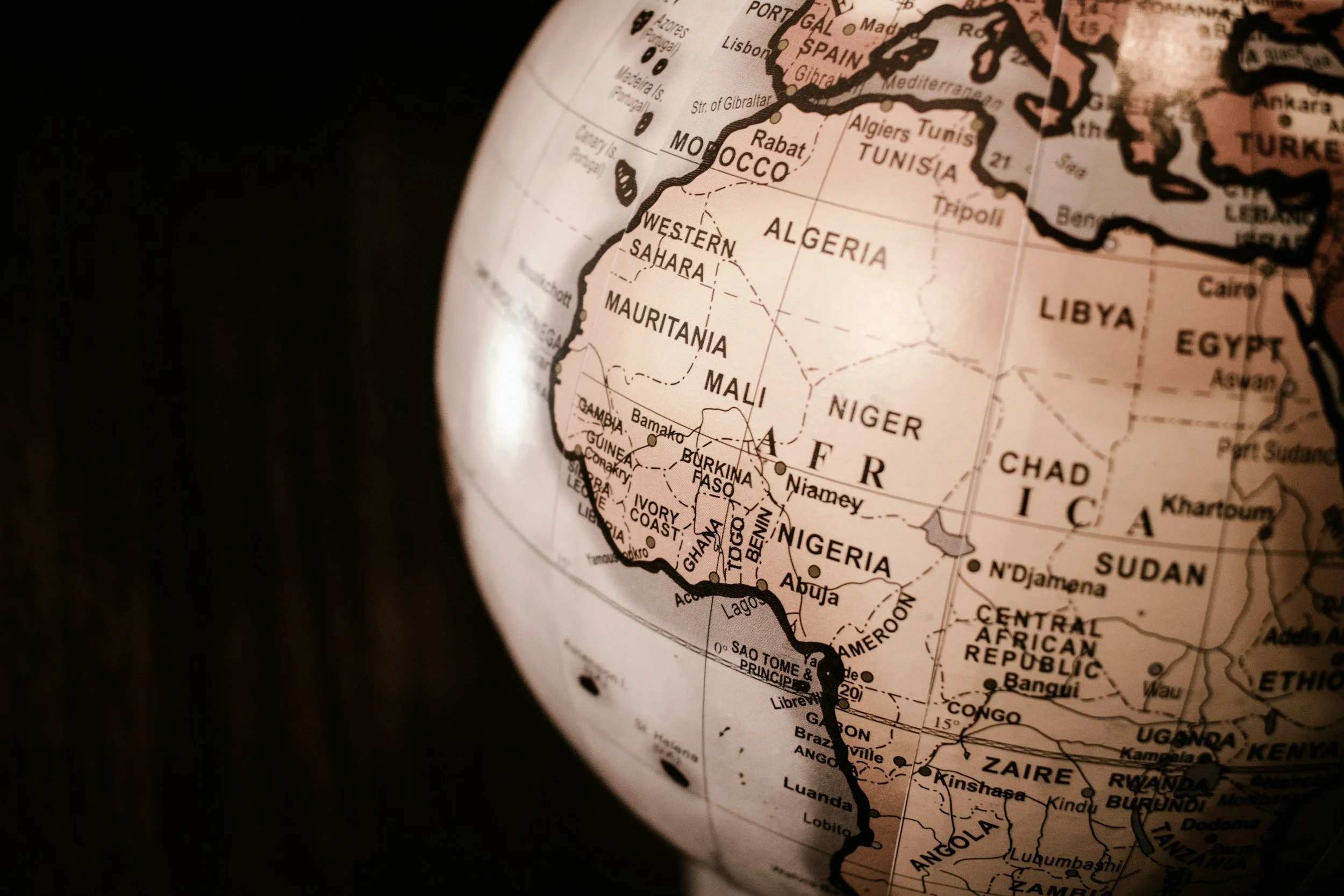
News from Africa
Africa’s biggest news signals right now point to pressure on the systems that move people, resources, aid, fuel, and power across the continent. In Mali, the killing of former defense minister General Sadio Camara after coordinated attacks shows that the Sahel crisis is not only about violence, but about whether the state can hold authority over territory and security. In the Democratic Republic of Congo, U.S. sanctions against former president Joseph Kabila and the creation of a new mining security force backed by U.S. and UAE funding show how Congo’s minerals are becoming tied to peace talks, foreign investment, and global competition over critical resources.
In Sudan, repeated drone strikes on Port Sudan’s airport, fuel depots, power station, and military-linked sites show how the war is moving against the infrastructure that keeps civilians supplied and aid moving. In South Sudan, the United Nations reduced the ceiling for peacekeepers while violence, blocked access, and election uncertainty remain serious concerns. In Nigeria, Amnesty International called for an investigation into reported deaths at a military-run camp, while the Nigerian military denied the allegations, making transparency and civilian protection the central issue.
The larger pattern is that Africa’s future is being shaped through corridors: mines, ports, roads, camps, borders, airfields, and peacekeeping routes. This matters for Africa 2063 because the continent’s long-term vision depends on peace, infrastructure, regional trade, resource sovereignty, and people-centered development. What is important and unseen is that these stories are not isolated crises; they show a struggle over who controls Africa’s movement, wealth, security, and public narrative, and whether African institutions can turn pressure into stronger governance instead of allowing outside powers, armed groups, and extractive systems to define the future.
Africa 2063
Africa 2063 is Africa’s long-term vision for building a stronger, more united, and more self-directed continent by the year 2063. It focuses on peace, education, trade, infrastructure, technology, culture, and economic power, not just for governments, but for everyday African people and communities across the world. On this page, you will find short stories and updates showing how today’s events connect to Africa’s future. Who is building, who is controlling resources, where progress is happening, and where pressure remains.
Africa 2063
Africa 2063
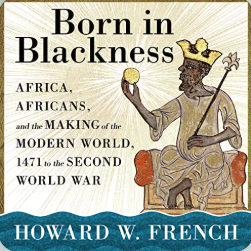
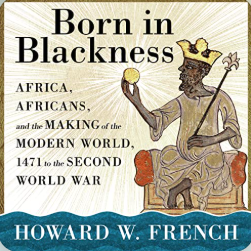
Borin in Blackness
Study Notes Archives.