

You Are Already Rich
Teenagers of color are already rich in one powerful way: they are rich in time. This essay teaches young people how time becomes skill, money discipline, ownership, career power, and community responsibility before the system spends it for them.
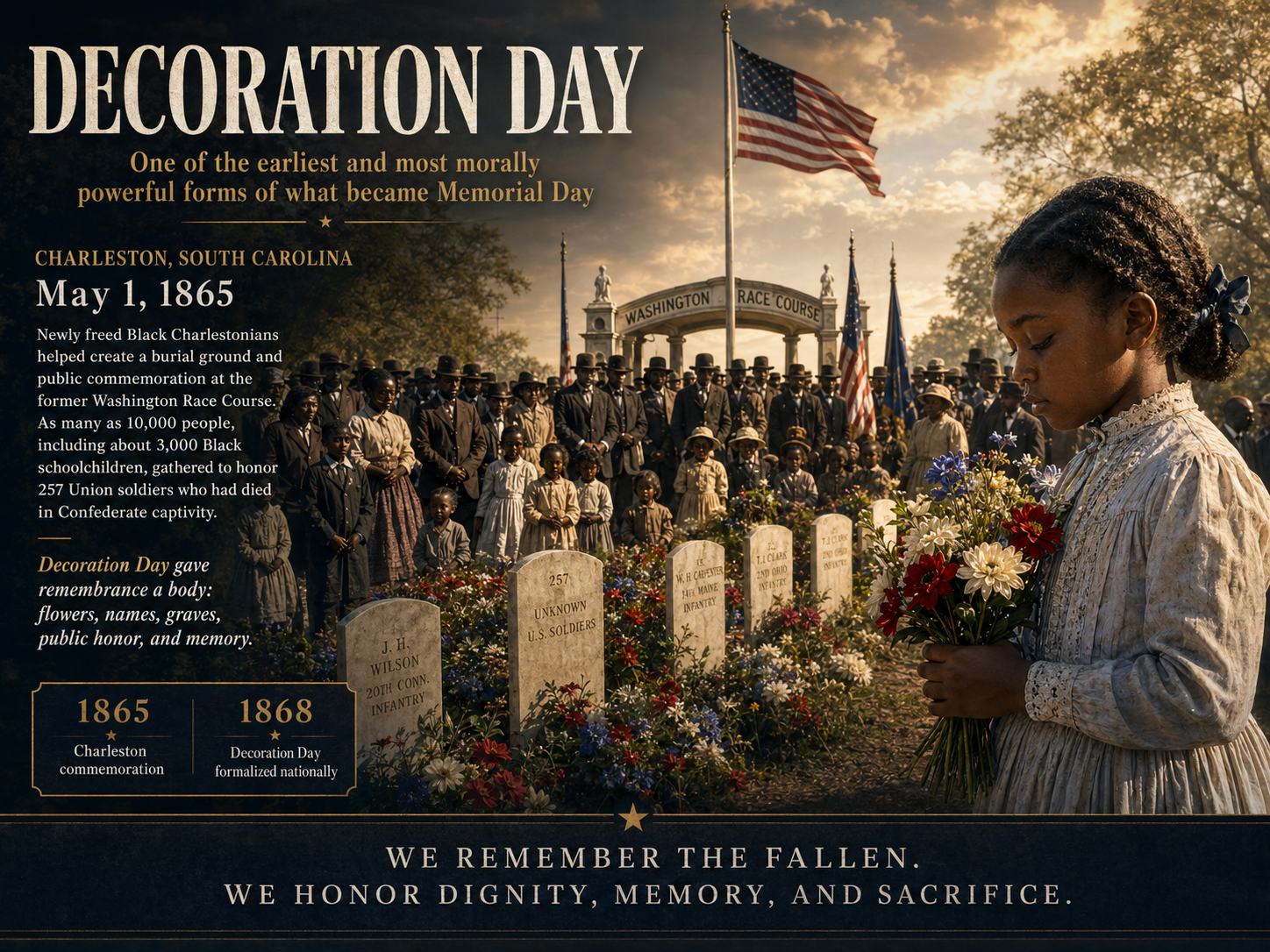
The Memory That Fed Us
Black community is not just a good feeling.
It is an institution.
Black memory is not nostalgia.
It is infrastructure.
African Ways of Knowing are not decorations on American life. They are part of the circulation system that has kept this country breathing, even while the country kept trying to deny the source of the oxygen.
So the task is not only to remember. The task is to keep building Black space, protecting Black place, and moving at Black pace.
Let It Go
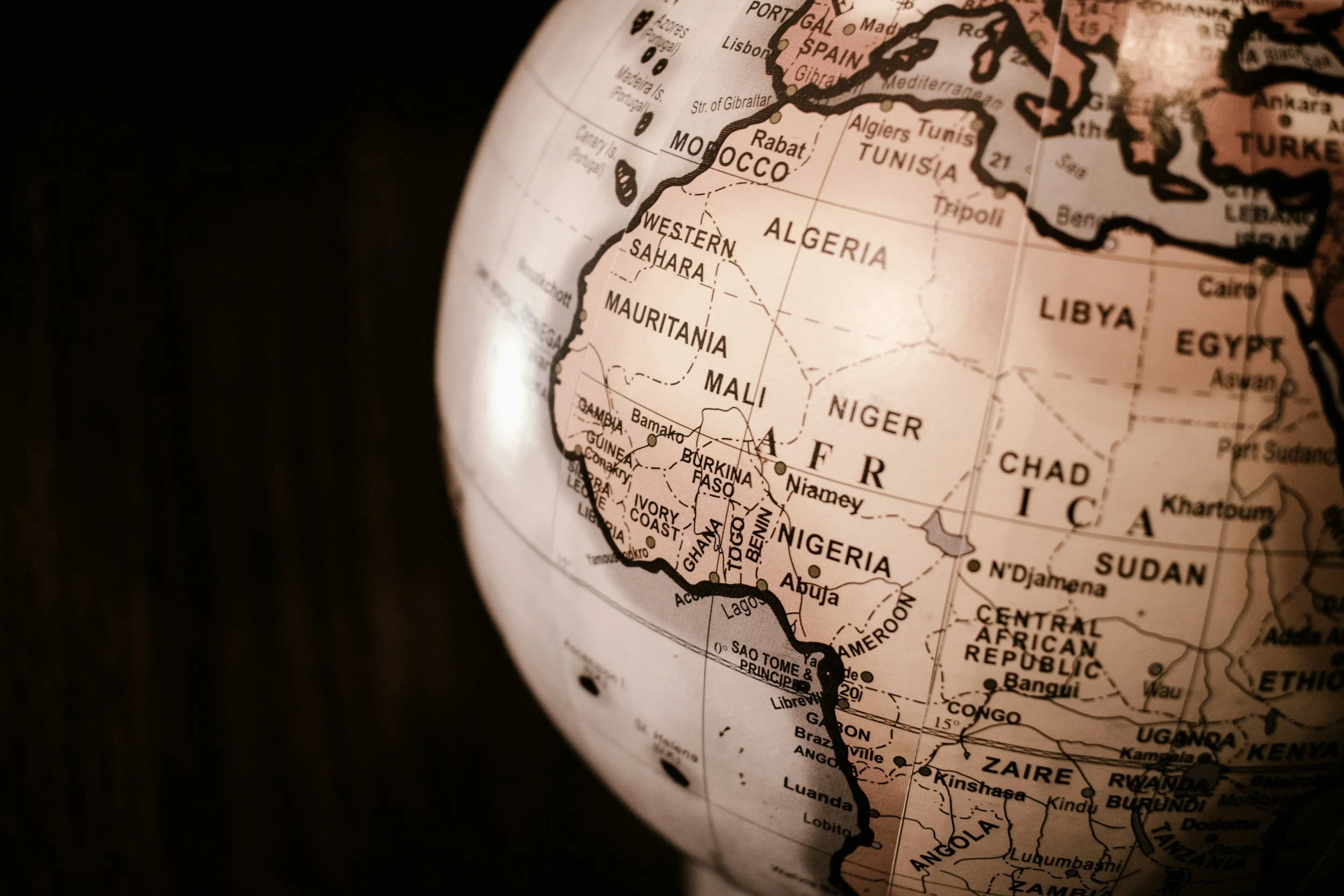
Empire did not disappear from Africa. It learned how to change clothes.
The flag came down, the governor left, and the anthem changed. But the old appetite remained: the mine, the port, the railway, the currency, the contract, the corridor, the data center, and the story that made outside control sound like partnership.
The problem was never contact. The problem was domination. And domination, once it trains itself to live off another people’s value, does not walk away easily.
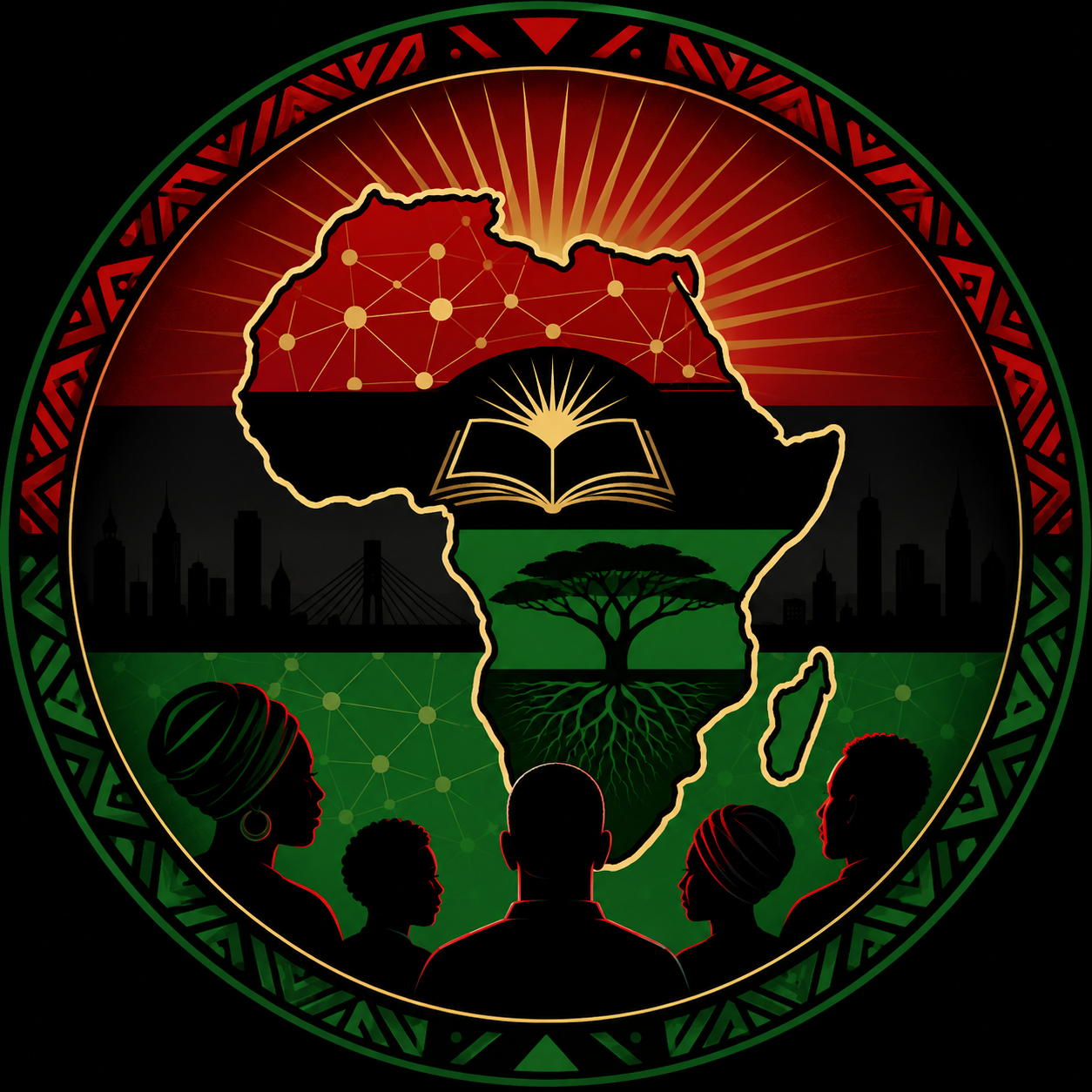
Africa Was a System Before Europe Called It a Resource
Before Europe called Africa a resource, Africa was already a world of systems: people governed, farmers planted, traders measured value, elders carried memory, and communities prepared the next generation.
The deeper tragedy is not only that Europe extracted from Africa; it is that Europe trained much of the world to see extraction as discovery.

From Trade Routes to Paychecks
Talent matters. But talent by itself is not ownership.
A trade route is more than a road. It is a money system.
It decides who gets paid, who waits, who carries, who sells, who taxes, who protects, and who profits.
The person carrying the goods may work the hardest. But the person controlling the route often builds the wealth.
That lesson still matters.

The Mali Empire
When Mali became independent in 1960, Keïta worked to shift control of the economy away from colonial influence. He believed sovereignty meant managing your own industries and resources. His presidency reminds us that building economic stability after extraction is complex and requires more than political change.

Everybody’s Got a Plan Until the Money Stops
Everybody’s got a plan until the money stops.
That’s the part Mike Tyson didn’t have to explain.
Warren Sapp didn’t lose his money because he lacked income. He lost it because his financial system only worked when everything went right.

Educational Racism Beyond the Zip Code
Structure and student behavior meet in the same hallway. The system decides how much stability, funding, and experienced teaching a school gets; students decide whether they show up, stay in class, and lean into the work. When most of the promises are broken before the bell even rings, behavior alone can’t fix what a racist design has already tilted against them.

The Blueprint for Entrepreneurship
Teen entrepreneurs don’t need permission—they need vision. That’s what Nia discovers in Freedom Ain’t Just a Feeling. She starts with passion, but quickly learns the truth The E-Myth makes plain: talent without structure leads to burnout. Her turning point comes when she stops working like a technician and starts thinking like a builder—designing systems, setting boundaries, and shaping a business that protects her peace.
The lesson for every young creator is simple: your dream is real, but it needs a blueprint. Start small. Start steady. Build the future you can already see.

How Junior Bridgeman Turned Fries into a Fortune
Junior Bridgeman wasn’t the biggest NBA star—but he became one of its smartest success stories. After retiring from basketball, he built hundreds of fast-food restaurants, bought a Coca-Cola bottling company, and grew his wealth into more than $1 billion. His journey from the court to corporate boardrooms shows teens that real wealth isn’t about fame or luck—it’s about learning, patience, and ownership.

The Business Lesson Behind Cooley High
Eric Monte gave us laughter, truth, and a mirror—then watched others cash the checks his imagination wrote. His story isn’t just Hollywood history; it’s a warning label for every young creator. Talent will open doors, but only ownership keeps them from closing on you.

Build Wealth Together
Money isn’t just numbers—it’s memory. Families carry stories about money that shape how we act today. Maybe your grandmother told you not to trust the bank, or maybe no one ever talked about money at all. Those stories come from history, like when Black families lost everything after Freedman’s Bank collapsed.

Money Mindset, Identity & Culture
Shame is a heavy inheritance. It silences questions before they’re asked. It convinces a teenager not to open a savings account because ‘people like us don’t have extra.’ It tells a young Black college graduate that debt is a personal failure, instead of the mark of a system built to weigh people down. James Baldwin warned that history is not the past; it is the present. Money proves that every day.

From Laundry to Legacy: Madam C.J. Walker
“Compared to Rockefellers and Carnegies, her fortune was modest. Compared to the life of an orphaned laundress, it was monumental. Madam C.J. Walker broke barriers of race, gender, and class, reimagining scaffolding built to confine her into ladders that lifted thousands.”

We Built This: The Black Economic Foundations of America
Black labor wasn’t just part of America’s foundation—it was the foundation. Enslaved people powered the cotton economy, built the railroads, and made billionaires before they had freedom. Even after emancipation, systems like sharecropping and redlining kept Black wealth out while extracting Black labor in.
And still, they built.
Black Wall Streets. Patents. Businesses. Culture.
So when we say, “We built this,” it’s not a metaphor. It’s a receipt.

The Zip Code Lottery: How Inequality in Education is Shaped by Where You Live
In a just society, a child’s zip code would not determine their destiny. Yet across America, it does. The cost of inaction is devastating: lost dreams, wasted potential, and a society that betrays its promise.

What Was Taken: The Hidden Costs of American Prosperity
The Industrial Revolution is often celebrated as a triumph of ingenuity and progress—but what if its foundation was built on theft? Beneath the innovation lies a darker truth: the rise of the United States as an economic superpower was fueled by the systematic expropriation of Native American land and the exploitation of African American slave labor.