
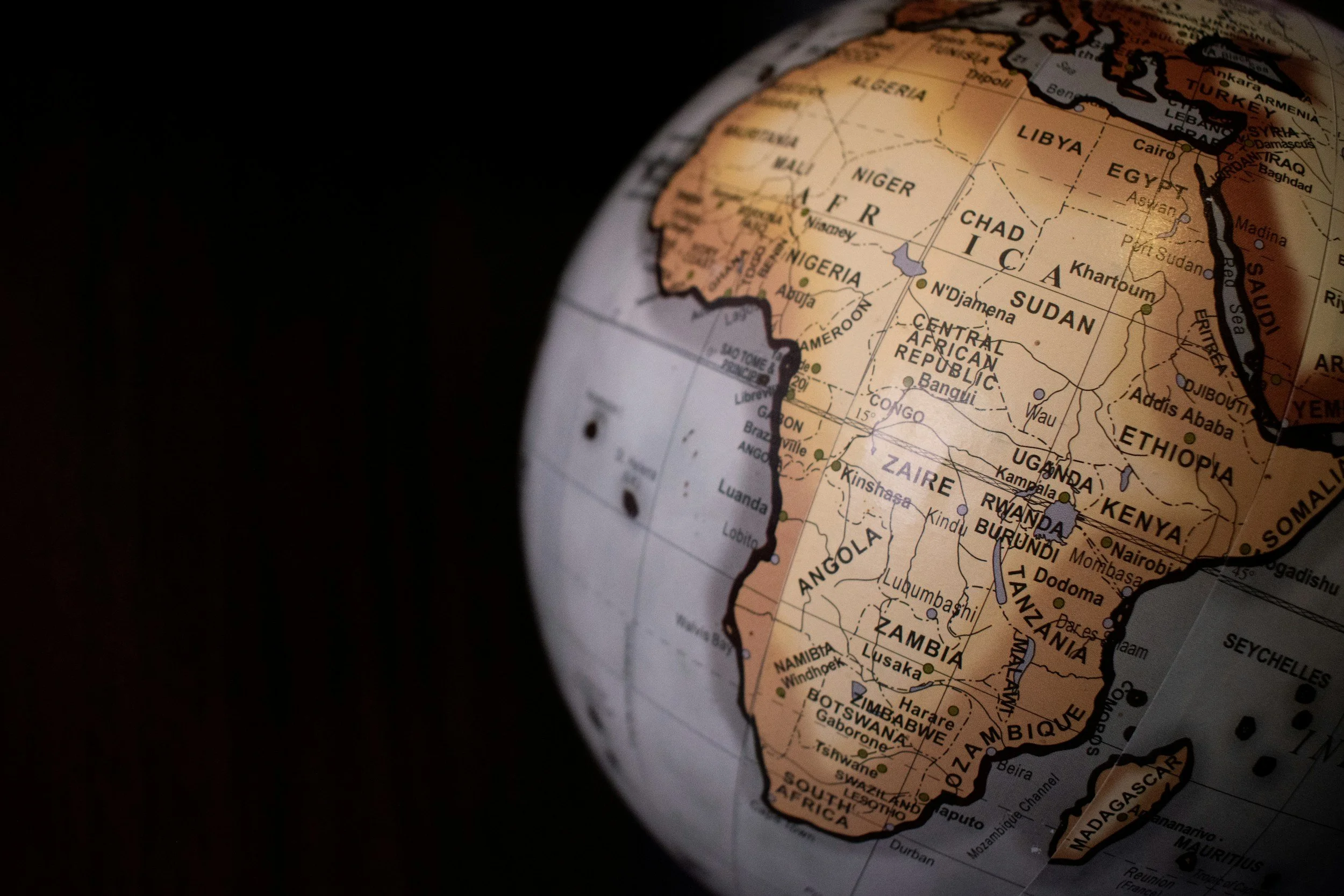
Africa Before Rupture
History
Africa did not begin with slavery, colonization, poverty, or crisis. Before the rupture, African societies built systems of land, water, agriculture, trade, governance, family, knowledge, memory, and social order.
This page begins before interruption so learners can see Africa as origin, not aftermath.
What This Page Covers
Kingdoms and communities
Land, water, and agriculture
Gold, salt, trade, and movement
Knowledge systems and memory
Governance and social order
Reflection Question
What changes when Africa is studied before the interruption instead of after it?
Freedom School Academy · Africa Before Rupture
GREAT
ZIMBABWE
The African city built without mortar — or European permission.

The walls remain. So does the question of why anyone believed Africans could not have built them.
Before European colonizers governed southern Africa, African builders had already constructed one of the continent's most remarkable cities. They called it Great Zimbabwe.
In present-day Zimbabwe, builders raised enormous stone walls using carefully selected granite blocks fitted together without mortar. No European engineer supplied the plans. This was a locally developed architectural tradition, sustained by accumulated skill, labor, and knowledge.
A City Was More Than Its Walls
Great Zimbabwe was a center of political authority, production, and exchange. People raised livestock, cultivated crops, worked metals, and participated in trading networks linking the African interior to the Indian Ocean coast. Gold and other goods moved through those networks.
Its inhabitants were not isolated people waiting for the outside world to introduce them to commerce or government. They were already participating in a complex regional economy.
The Stones Tell a Story
The surviving site includes the Hill Complex, the Great Enclosure, and the Valley Enclosures. The curving stone walls of the Great Enclosure are particularly striking: they required technical judgment, coordinated work, and a continuing tradition of construction.
The site developed over centuries. Its architecture reflects knowledge preserved and adapted across generations. That is what institutions make possible: the transmission of skills, the organization of resources, and achievements larger than any single builder.
A monumental city is evidence not only of skilled hands, but of a society capable of organizing them.
When the Evidence Challenged the Story
Some European colonial-era writers refused to accept that local African people had built Great Zimbabwe. Instead, they attributed its ruins to imagined foreign builders. These claims reflected racial assumptions rather than sound archaeological evidence.
Archaeological research firmly identifies Great Zimbabwe as an African achievement associated with the ancestors of the Shona people. The architecture existed long before colonial authorities tried to explain its makers away.
Africa Before Rupture
Great Zimbabwe did not represent every African society. Nor was its history free from conflict, inequality, or change. Its political and economic prominence shifted before the later era of European colonial rule.
But it demonstrates a fact that should never require special pleading: African communities built cities, governed institutions, transmitted technical knowledge, and sustained far-reaching exchange networks.
Africans were builders of institutions, not merely subjects of institutions imposed by others.