
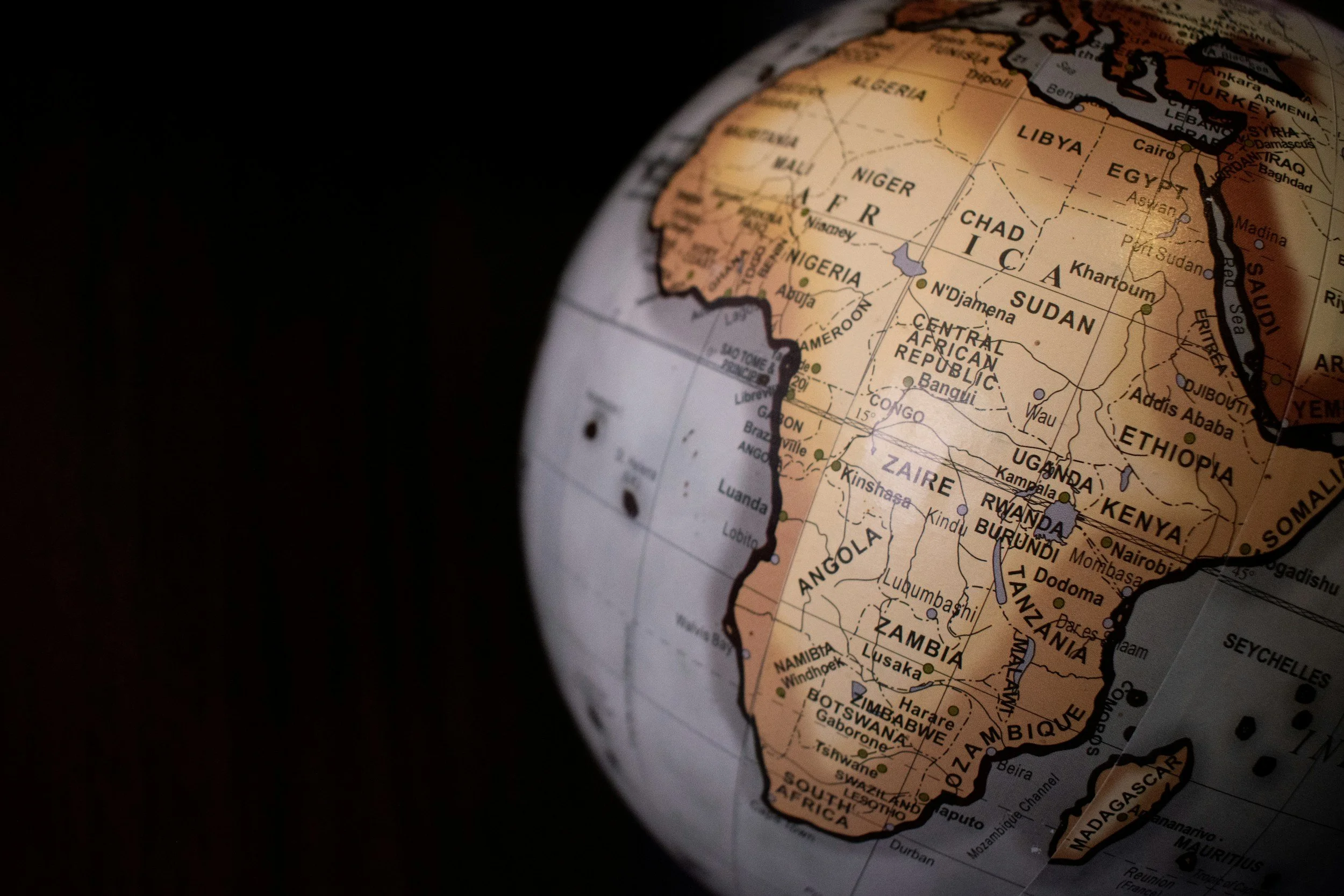
African Governance Resistance
Summary
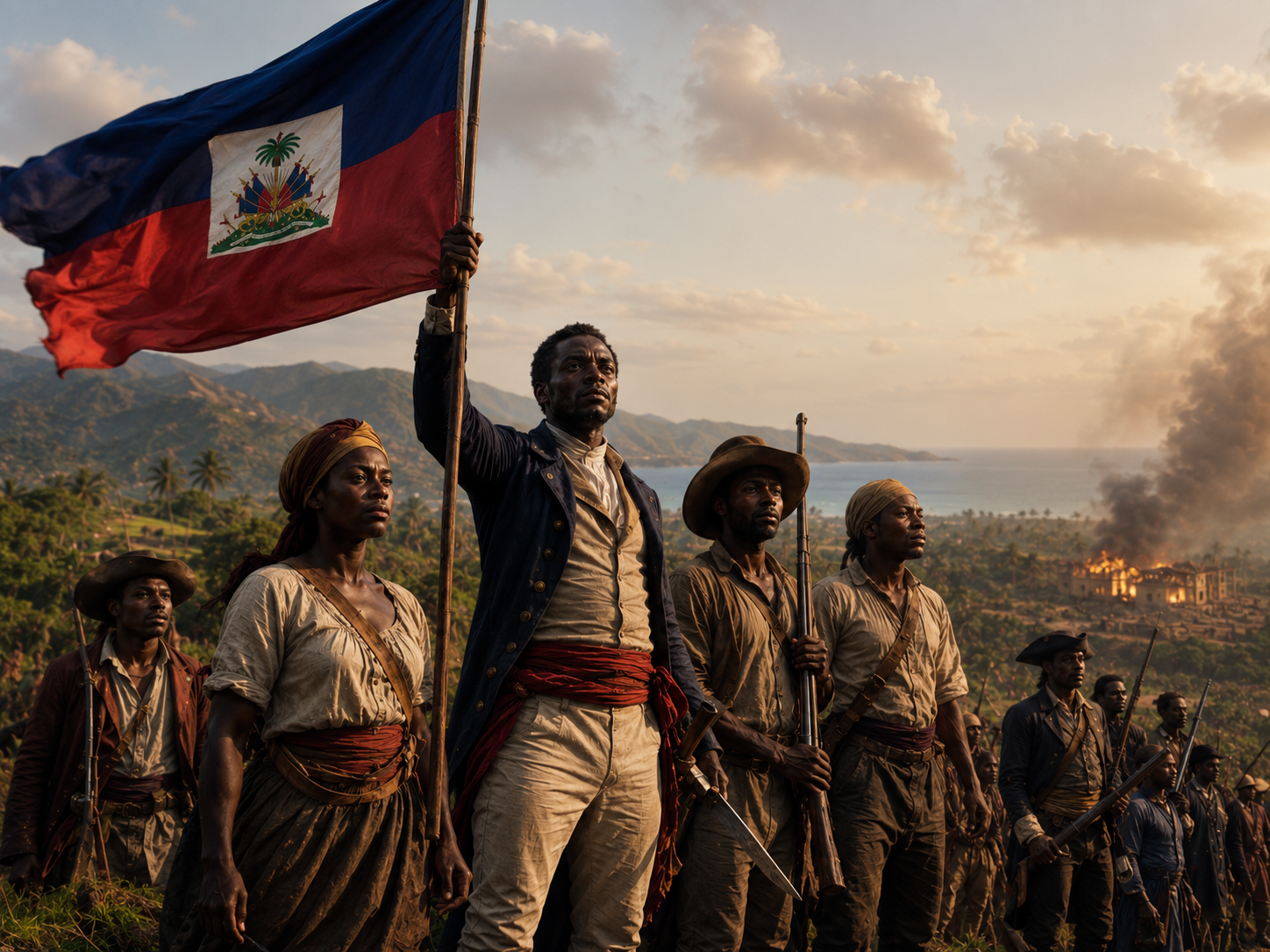
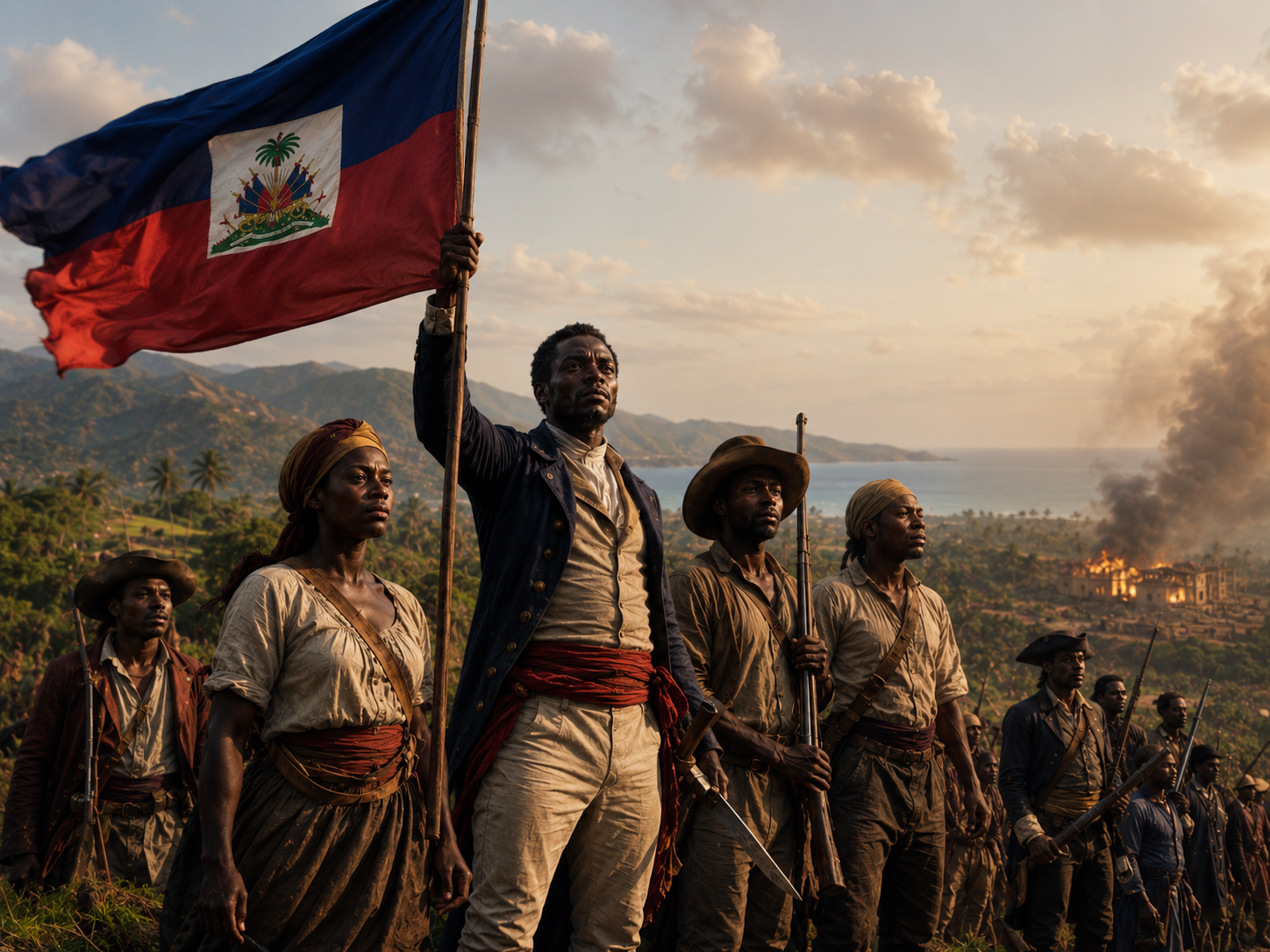
The Haitian Revolution began in 1791 when enslaved Africans and African-descended people in Saint-Domingue rose against the most profitable plantation colony in the Atlantic world. By 1804, they had defeated French power, abolished slavery, and created Haiti — the first Black republic and the first nation born from a successful revolt by the enslaved.
Reflection Question
If Haiti proved that Black people could destroy plantation power and build sovereignty, what does it mean that the world answered with isolation, debt, fear, and narrative punishment — and how did that response make Pan-Africanism necessary?
Haiti as Counter System
Revolution, Sovereignty, and the Birth of Pan-African Necessity
The revolution forced empires and slave economies to confront a possibility they had organized themselves to deny: the enslaved could overthrow the system and govern themselves.
The response was swift. Haiti faced military threats, diplomatic isolation, crushing debt, economic punishment, and a global narrative that portrayed Black freedom as instability and danger. The issue was never only Haiti itself, but what Haiti represented.
Haiti became a structural warning.
The revolution proved that African-descended people were not scattered fragments of empire, but institution builders, political actors, and sovereign people capable of governing land and shaping history. That possibility terrified the colonial world because Haiti did not ask empire to reform — it broke the plantation system entirely.
But Haiti also exposed the limits of isolated Black sovereignty. Military victory alone could not protect a nation from economic exclusion, debt, and narrative containment. Empire operated not only through chains, but through banks, diplomacy, trade, and legitimacy.
This is where Haiti connects directly to Pan-Africanism.
Pan-Africanism emerged as a survival strategy against systems that fragmented African people across borders and colonies. Haiti demonstrated both the possibility of Black sovereignty and the danger of standing alone. Liberation required not only revolt, but connection, shared memory, and institutions capable of resisting global isolation.
Haiti was not a failed exception. It was a counter-system that exposed the fear beneath the modern racial order.
If Haiti is remembered mainly through poverty and instability, the containment continues. Its deeper legacy is that Black sovereignty was possible — and that the global response made collective struggle necessary.