
How to See the System
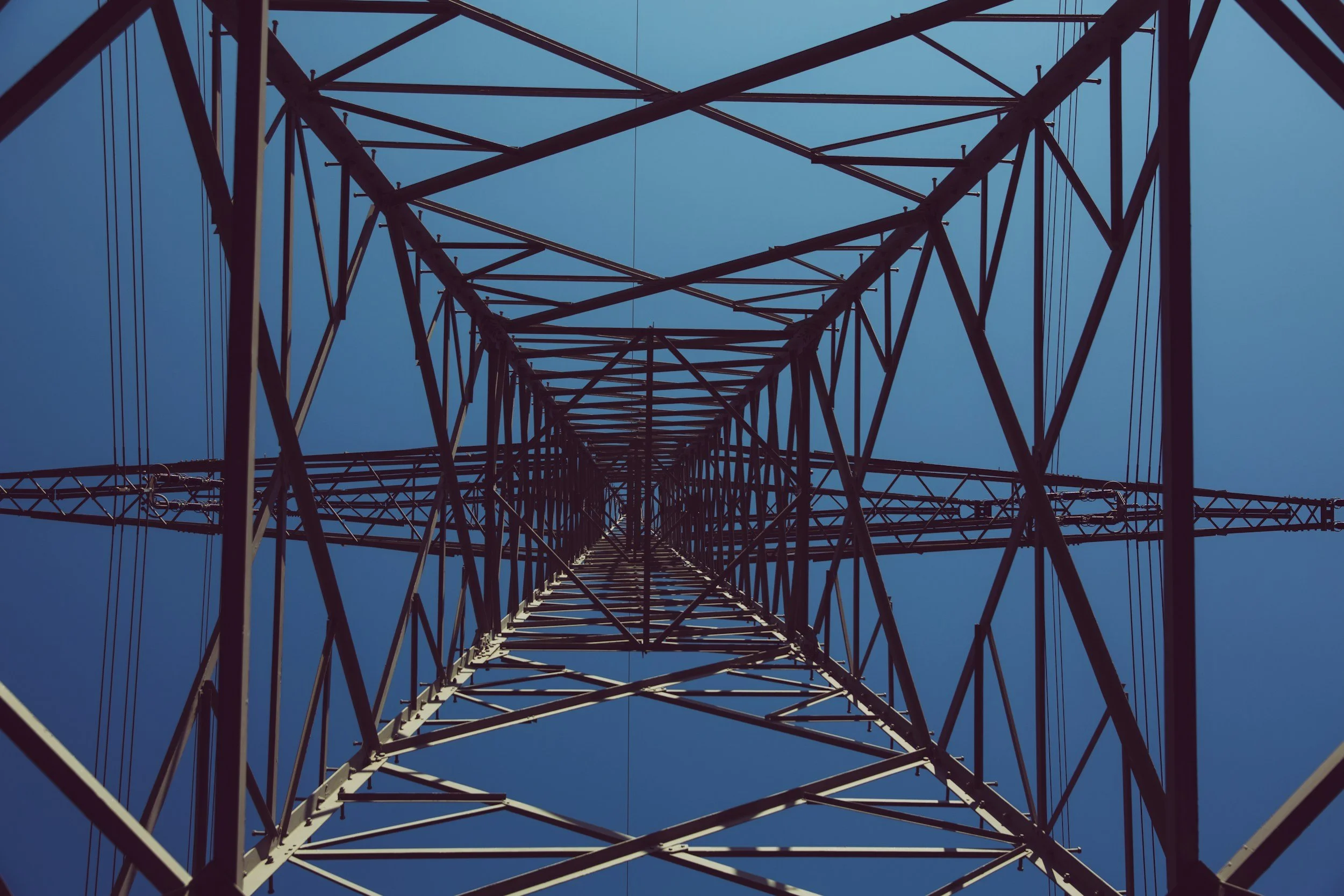
What if the biggest lessons in sports, science, government, and everyday life are not hidden inside the event itself, but inside what people failed to notice before the event became unavoidable?
That is the Freedom School method. That is also the TruthLens Analysis method explained in plain language. Do not stop at the headline. Do not stop at the emotional reaction. Do not stop at the hero or the villain.
Go underneath the event.
Find the institution.
Find the rule.
Find the incentive.
Find the pressure.
Find the warning sign.
Find the pattern.
Then ask:
Who benefited? Who carried the cost? Who had responsibility? What became visible too late? What should have been addressed before the consequence hardened?
That is structural literacy.
An institution is any organized system that carries rules, habits, power, incentives, and responsibility. A school is an institution. A sports league is an institution. A city government is an institution. A corporation is an institution. A bank is an institution. Even a family structure can operate like an institution because it distributes responsibility, resources, expectations, and consequences.
We teach you to understand that events rarely appear out of nowhere. Most outcomes are built slowly through decisions, incentives, neglect, pressure, habits, and delayed action.
Let’s begin with sports.
In 1947, Jackie Robinson became the first Black player in modern Major League Baseball. Most students first learn this as a story about courage and perseverance. That part is true. Robinson endured racism, threats, humiliation, isolation, and enormous pressure while still performing at an elite level.
But structural literacy asks a deeper question. The question is not only:
“Was Jackie Robinson brave?” Of course, he was. The deeper question is:
What kind of system prevented Black players from entering Major League Baseball before Jackie Robinson arrived?
Black athletes had already demonstrated extraordinary talent in the Negro Leagues for years. The issue was never ability. The issue was exclusion.
Owners enforced exclusion. Leagues normalized exclusion. Media reinforced exclusion. Custom protected exclusion. Public expectation stabilized exclusion.
Economic power benefited from exclusion. That means Jackie Robinson’s arrival was not only a sports moment. It exposed an institutional structure.
One player stepping onto a field revealed:
segregation,
labor control,
ownership power,
racial hierarchy,
media framing,
and national memory.
We teach you to recognize that a “first” often reveals a barrier that blocked many others before it. That is how you see the system. Now look at science and public infrastructure.
The Flint water crisis did not begin as “bad water.” It began as a chain of decisions.
Officials changed the city’s water source. Infrastructure problems were underestimated. Corrosion control protections were not properly used.
Residents raised concerns. Warnings were minimized. Responses slowed.
Trust weakened.
Science mattered.
Chemistry mattered.
Pipes mattered.
Budgets mattered.
Government mattered.
Race mattered.
Poverty mattered.
Public accountability mattered.
If you only learn that Flint had contaminated water, then the lesson remains too small.
The deeper question is:
Who had the responsibility to protect people before the water became dangerous?
That question transforms science into civics. Water chemistry explains contamination. Governance explains responsibility. A pipe carries water.
An institution carries an obligation. When institutions fail to act responsibly, families absorb the consequences. Children absorb the consequences. Communities absorb the consequences. Public trust absorbs the consequence.
And once trust is poisoned, infrastructure alone cannot quickly repair the damage.
Here we teach everyone to examine not only the technical failure, but also the institutional behavior surrounding the failure:
Who ignored warnings?
Who delayed action?
Who lacked urgency?
Who had authority?
Who lacked protection?
Who paid the price for institutional delay?
That is how you see the system. Now consider the Space Shuttle Challenger disaster.
In 1986, millions of people watched the Challenger shuttle explode shortly after launch. Many students remember the image. Some remember the tragedy. But structural literacy asks students to examine the warning structure surrounding the event.
Engineers had concerns about O-rings and cold temperatures before launch. Those concerns existed before the disaster occurred. The launch still proceeded.
That means the story is not only about mechanical failure. It is also about:
institutional pressure,
communication breakdown,
schedule demands,
organizational confidence,
decision hierarchy,
public expectation,
and normalized risk.
All of these mattered. If any one of them was ignored, the whole project became more vulnerable. We teach that intelligent people can still operate inside systems that slowly normalize dangerous decisions.
A powerful institution can drift away from caution when pressure outweighs accountability. That is how consequence hardens.
First, there is a warning.
Then there is a delay.
Then there is rationalization.
Then there is pressure.
Then the options narrow.
Then the outcome arrives.
Then people ask how it happened, even though pieces of the answer were already visible beforehand.
Structural literacy means learning to recognize patterns before consequences become irreversible. This is why Freedom School teaches students to read beyond headlines. A headline tells you what happened. A structural analysis helps explain why the outcome became possible. The same method applies to everyday life.
If a school cuts art programs, music programs, counseling, or after-school opportunities, do not only ask what disappeared.
Ask:
Who controlled the budget?
What priorities shaped the decision?
What pressures existed beforehand?
Who lost the opportunity?
Who remained protected?
What long-term effects may appear later?
If a family struggles financially, do not only ask who spent money incorrectly.
Ask:
What wages were available?
What debts accumulated?
What medical costs existed?
What transportation barriers existed?
What housing pressures existed?
What support systems failed?
What warning signs appeared early?
What decisions were delayed too long?
If an election feels confusing or chaotic, do not only ask who won.
Ask:
Who shaped the available choices?
Who funded the messaging?
Who influenced public fear?
Who organized early?
Who stayed disengaged?
Which institutions benefited from low understanding?
What consequences will continue after the election ends?
We must all slow down and investigate structure before reacting emotionally to outcomes. That is the method:
What happened?
Who had power?
What institution carried responsibility?
What incentives shaped behavior?
What warning signs appeared early?
What pressures influenced decisions?
What story was used to explain the outcome?
Who benefited?
Who absorbed the cost?
What should have happened before the consequence hardened?
Seeing the system does not mean blaming everyone for everything.
That is not analysis. That is intellectual laziness. Structural literacy means refusing to remain trapped at the surface level. Events usually have roots — civic, financial, historical, institutional, or personal. Consequences usually have scaffolding.
Failures usually leave signals before collapse. We teach everyone to recognize those signals early.
Jackie Robinson teaches us that a “first” often exposes the structure that excluded many people before him. Flint teaches us that science without institutional responsibility can become public harm. Challenger teaches us that warning signs do not protect people unless institutions possess the courage to act before pressure overrides caution.
Our method is simple, but it is not shallow. It teaches young people and adults to ask stronger questions. Not only: “What happened?”
But also:
What system made this outcome possible?
What incentives protected the problem?
What warning signs existed beforehand?
Who had the responsibility to act earlier?
What are we responsible for seeing now before the next consequence hardens?
That is how people learn to read the world structurally rather than react emotionally to outcomes after damage is already done.
Three Critical Questions for Readers
What story were you taught as a simple event that may actually reveal a deeper institutional structure?
What warning signs are visible right now in your school, family, neighborhood, workplace, or community that people are ignoring or delaying? Who may be affected if no one acts?
Who benefits when people are trained to react emotionally to events but never taught how systems operate underneath them?
Resources Used
Africana Studies, Freedom School Academy, and TruthLens Analysis as a Governed Method of Public Structural Literacy
The Cost of Waiting: How Institutions See Failure Early—and Still Wait
The Scaffolding of the American Vote: How Race, Fear, and Structure Still Decide American Power
Before the Vote: Signals, Pressure, and Structural Failure Inside a Campaign
Freedom Ain’t Just a Feeling: Reclaiming Wealth, Rest, and Legacy in Black America
TruthLens Field Manuals
Public Case Sources Used