
The Drift Arrives Before the Crisis
Why the earliest warnings matter more than the moment everything falls apart
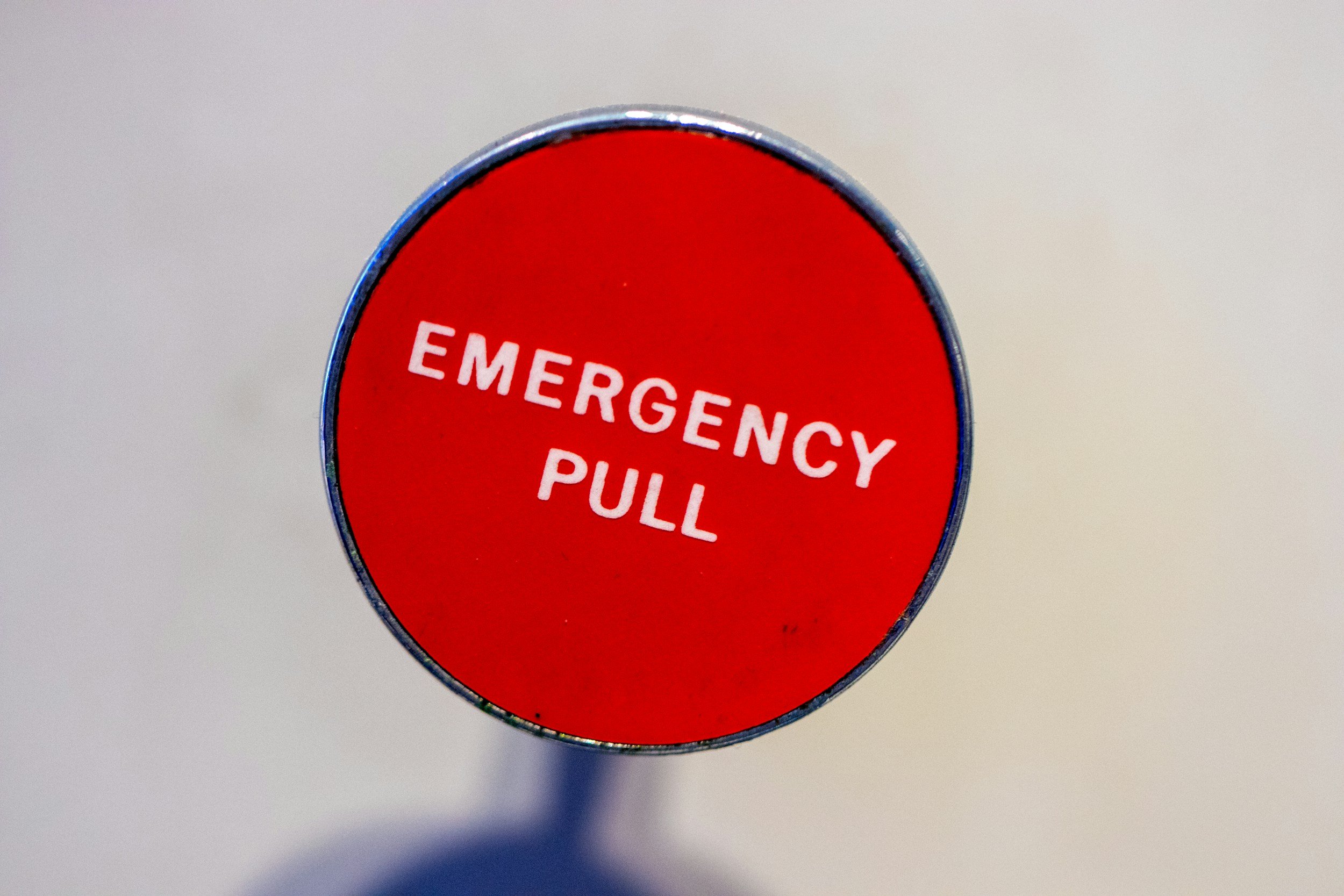
When Crisis Becomes Visible
A crisis rarely begins when the public finally notices it.
By then, the microphones are out. The press release is polished. The board chair is “deeply concerned.” The consultant has been hired. The institution has discovered compassion when accountability became unavoidable. But a crisis usually starts earlier.
Where Crisis Actually Begins
It starts when behavior separates from responsibility. It starts when warnings are visible but not acted on. It starts when people closest to the harm can see pressure building, while people with authority keep explaining, delaying, reframing, or waiting for a cleaner moment. That gap is drift.
Understanding Drift
Drift is not confusion. It is the distance between what an institution says it is and what its behavior shows it has become.
A school promises learning for all, but students move forward without support. A city claims to value residents, but decisions are made before the public understands the issue. A campaign speaks of movement, but its coalition quietly shrinks. The crisis comes later. The drift arrives first.
Why Early Awareness Matters
Freedom School can teach students to study history only after damage is done. It must teach families and young people to study systems while the signals are still alive. The headline tells us what happened. The structure tells us why it became possible.
Entering Too Late
Most people are trained to enter the story too late. We meet the failed school after scores collapse, the political failure after Election Night, the scandal after the apology, and the financial emergency after options disappear. That late entrance is not neutral. It protects the system.
How Systems Practice Failure
When we enter late, everything looks sudden. But systems rehearse failure in smaller spaces first—ignored emails, weak staffing, quiet policy changes, unread reports, and language that sounds stable while reality is already cracking.
The Cost of Waiting
Waiting is not empty time. Waiting changes the structure. A warning ignored in January is not the same warning in June. By June, harm has settled in. Staff may have left. Trust may have thinned. Options shrink while leaders discuss the process. Process is often where urgency goes to be sedated.
Delay as Governance
The danger is not only that institutions wait. The danger is that waiting becomes a form of governance. Delay decides who absorbs the pressure.
Who Pays the Price
If a school delays intervention, children absorb the cost.
If a court delays fairness, families absorb the cost.
If a city delays repair, neighborhoods absorb the cost.
If a campaign delays correction, voters absorb the cost.
Institutions call it patience. People living under pressure call it a consequence.
Before the Outcome
Outcomes have pre-histories. Elections are shaped before ballots are counted—through discipline, coalition, timing, and narrative pressure. The same is true for every institution.
The Window Before Collapse
Before failure, there are signals.
Before apology, there is behavior.
Before collapse, there is a threshold where repair was still possible.
Before consequences harden, there is a window when someone could have acted.
Freedom School teaches students to look for that window.
Discernment Over Suspicion
The goal is not suspicion. Suspicion alone is not wisdom. It can become another kind of fog. The goal is discernment.
Questions That Reveal Structure
Ask better questions earlier.
What did the institution promise?
What behavior followed?
Who noticed the gap first?
Who had the authority to act?
What explanation protected delay?
Who benefited from waiting?
Who carried the burden?
Public Structural Literacy
This is public structural literacy. It means learning to read institutions before consequences become undeniable. An institution is repeated behavior backed by authority. If behavior repeats, it is teaching. If explanation hides behavior, it is governing.
Community Knowledge as Early Warning
Communities have always known this. Grandmothers read drift before reports were written. Churches knew who was hungry before agencies measured it. Parents knew which schools were failing before ratings changed. The people closest to the ground often know first.
The Problem of Recognition
The issue is not a lack of intelligence. The issue is that institutions often refuse to recognize community knowledge until harm becomes too visible to ignore.
African Ways of Knowing
Knowledge is not only in the official language. It lives in memory, warning, relationship, place, duty, and responsibility. Communities survive by reading danger early and remembering patterns.
Honoring Community Intelligence
Freedom School must honor that intelligence and sharpen it.
Not just asking what happened, but asking what carried it.
From Reaction to Readiness
Move beyond reaction. Ask: What institution carried it? What behavior is repeated? What narrative protected it? What pattern is forming? What responsibility follows?
This is how readiness is built.
The Purpose
The purpose is civic self-defense. Families need to recognize drift before they are invited to the post-crisis listening session. The drift arrives before the crisis.
The work is to learn how to see it.
A Concrete Example
A school district promises literacy for all students.
In early fall, teachers report that reading support is stretched thin. Parents raise concerns. Administrators say the new curriculum needs time.
By winter, internal data shows widening gaps, but official messaging emphasizes progress. By spring, reading specialists leave due to workload.
Only after test scores drop does the district declare a crisis.
What the Example Shows
To the public, the crisis appears sudden. But the drift was visible months earlier.
Warnings were present. Action was delayed. Students absorbed the cost.
What Is Unseen
Crisis often protects the institution.
It narrows public memory and shifts the focus to the emergency rather than the sequence.
The final event is made to look disconnected from earlier warnings.
Predictive Trajectory
Communities that read drift early will not prevent every crisis. But they will ask sharper questions sooner. They will study behavior, not just outcomes. They will recognize that power often moves before consequence speaks.
What We Need to Do
Freedom School teaches a simple discipline. Do not wait for collapse to learn the system. Read the promise. Watch the behavior. Name the gap. Find the carrier. Act early.
Three Critical Questions
When institutions explain away early warning signs, how can communities distinguish between normal imperfection and dangerous drift?
Who should act when those closest to harm see the crisis before official data confirms it?
How can communities build early-warning practices without becoming exhausted or overly suspicious?
Simple Citation / Source List
Freedom School Academy Publishing Program Master Control, June 2026 calendar.
TruthLens Analysis LLC, Before the Vote.
TruthLens Analysis LLC, The Cost of Waiting.
TruthLens Analysis LLC / Freedom School Academy, Reading Structure Before Consequence.
Steele, Nathaniel. “How to See the System,” June 2026.